
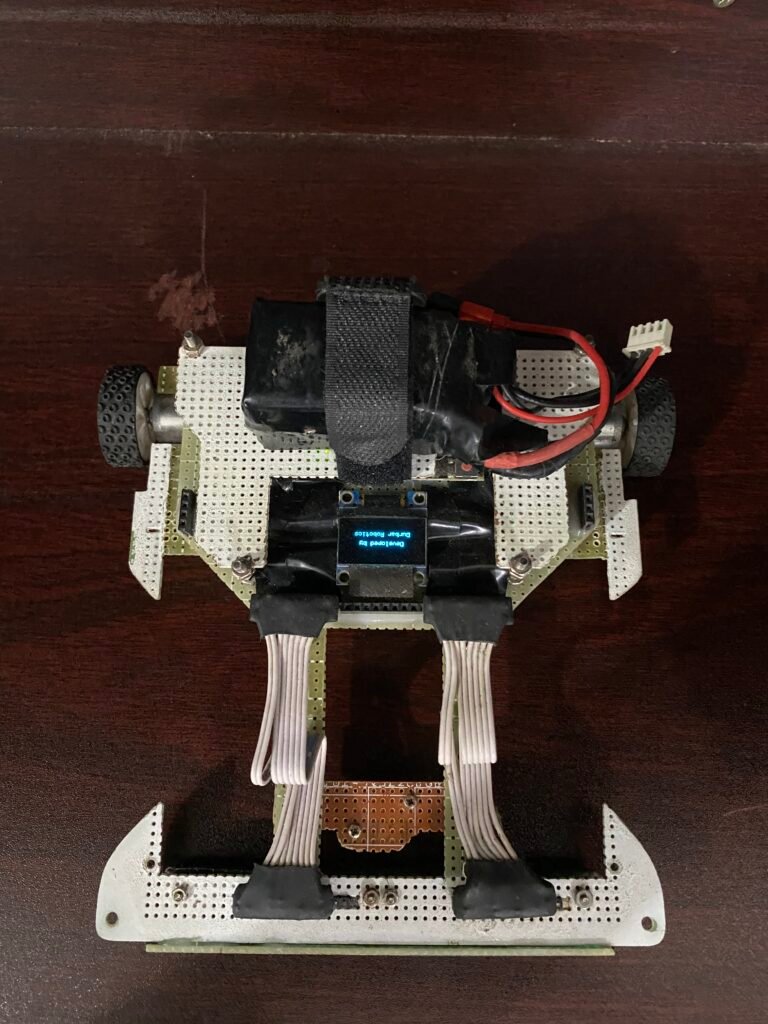
1. Line Following Robot (LFR)
The Line Following Robot (LFR) is designed to detect and follow a path or track marked by a contrasting line on the floor, usually black on white. It uses IR sensors to sense the line and adjust its movement accordingly. This project helps beginners understand sensor-based navigation, motor control, and basic automation — essential skills for robotics and embedded systems.
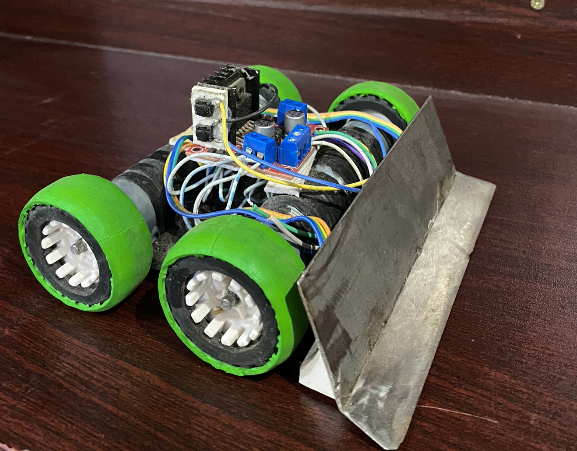
2. Sumo Robot
The Sumo Robot is a combat-style robot that competes in a ring, trying to push its opponent out of the arena. Equipped with sensors for opponent detection and strong motors for power, it teaches principles of mechanical design, control algorithms, and strategic programming. Sumo robotics combines intelligence, power, and precision — a thrilling introduction to competitive robotics.
3. Soccer Bot
The Soccer Bot is a fun and interactive robot built to play mini football matches autonomously or via remote control. It uses sensors and actuators to detect the ball, move toward it, and score goals. This project helps learners explore motion control, teamwork between bots, and real-time decision-making in robotics — all while enjoying the game of soccer!
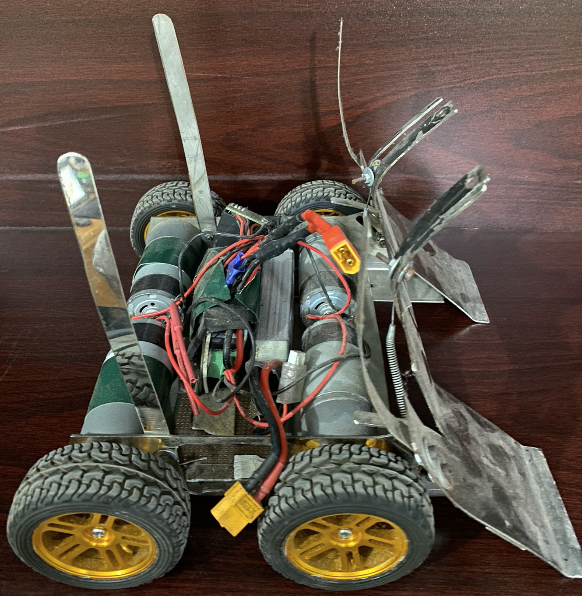
4. Racing Bot
The Racing Bot is built for high speed and agility on a predefined track. It focuses on efficient motor control, lightweight design, and optimized coding for fast response times. This project enhances understanding of DC motor drivers, PID speed control, and power management — perfect for robotics enthusiasts who love performance and competition.
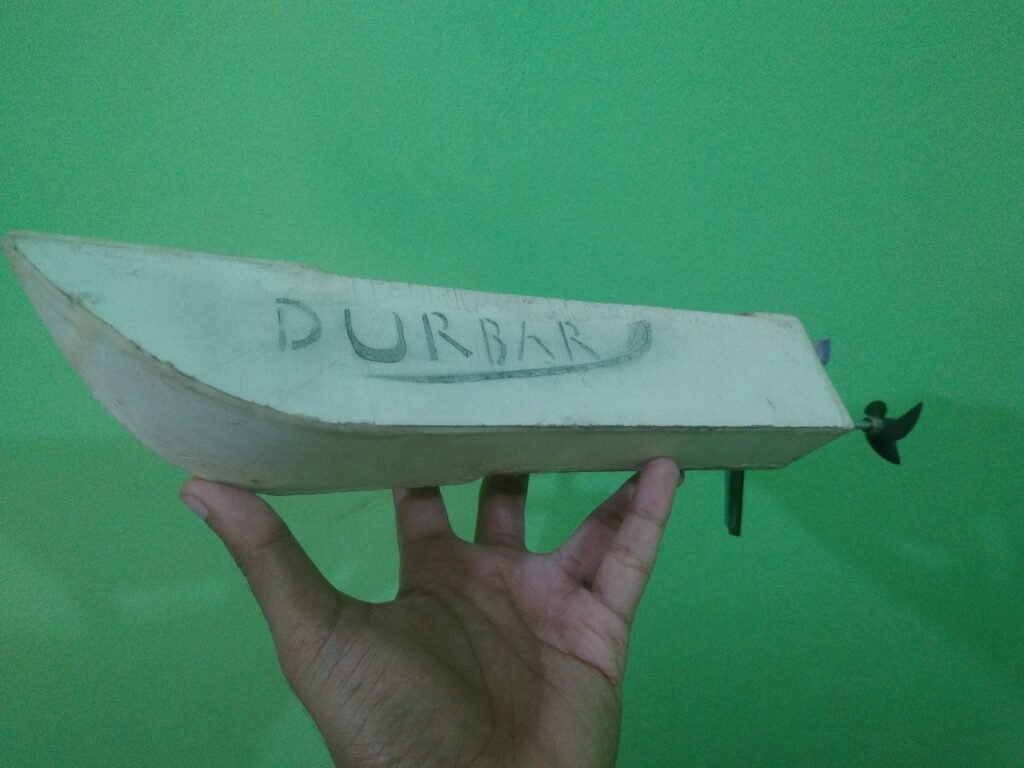
5. Racing Boat
The Racing Boat project explores robotics beyond land — into water! Powered by DC or brushless motors, this boat glides swiftly across the surface while maintaining balance and direction. It teaches key concepts of waterproof design, buoyancy, propulsion systems, and remote control — blending mechanics and electronics in a dynamic aquatic challenge.
6. Micromouse
The Micromouse is a small, intelligent robot that autonomously navigates through a maze to find the fastest path. It combines sensors, mapping algorithms, and microcontroller programming to make real-time decisions. This project introduces learners to maze-solving algorithms like flood-fill and A*, making it a cornerstone for understanding autonomous robotics.
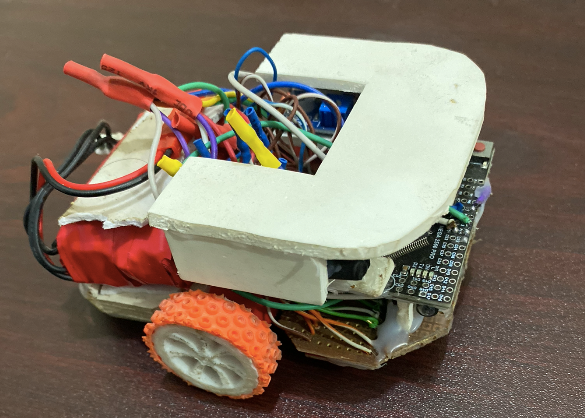
7. Cozmo Clunch
Cozmo Clunch is an innovative robot project inspired by advanced miniature robots like Anki Cozmo. It’s designed for interactive behavior, face recognition, and playful motion. Combining robotics, AI, and creativity, this project focuses on coding expressions, movement patterns, and object interaction — offering a fun yet educational dive into modern robotics and AI integration.